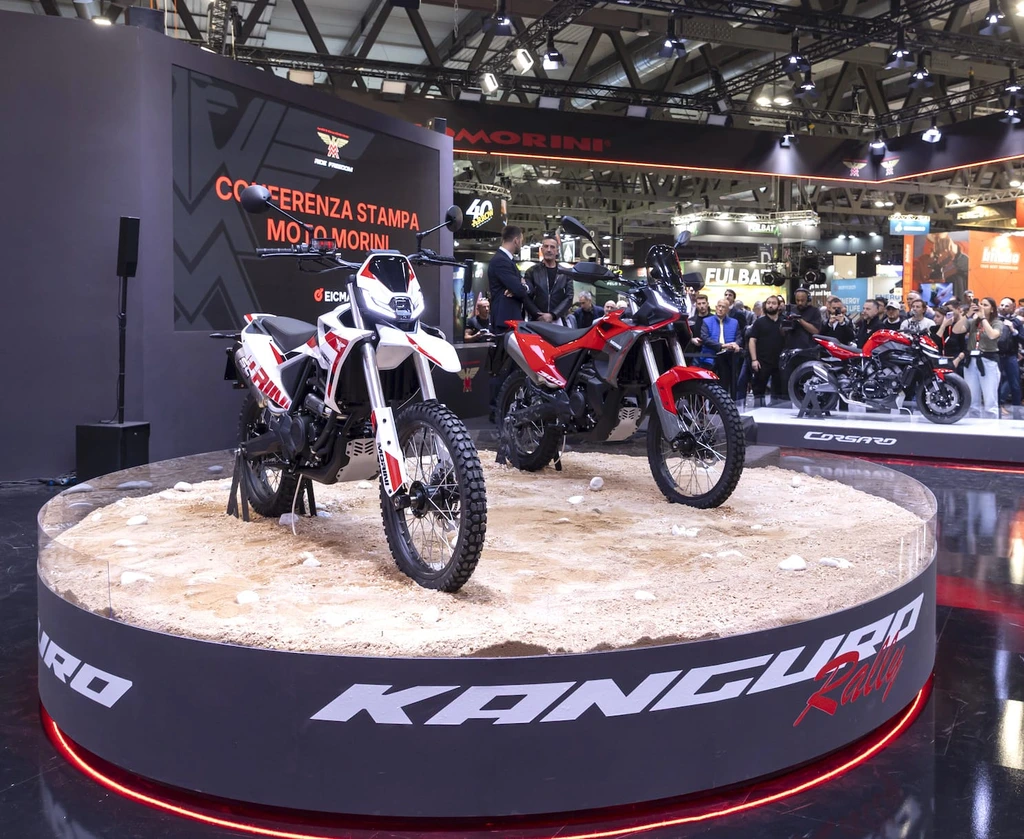
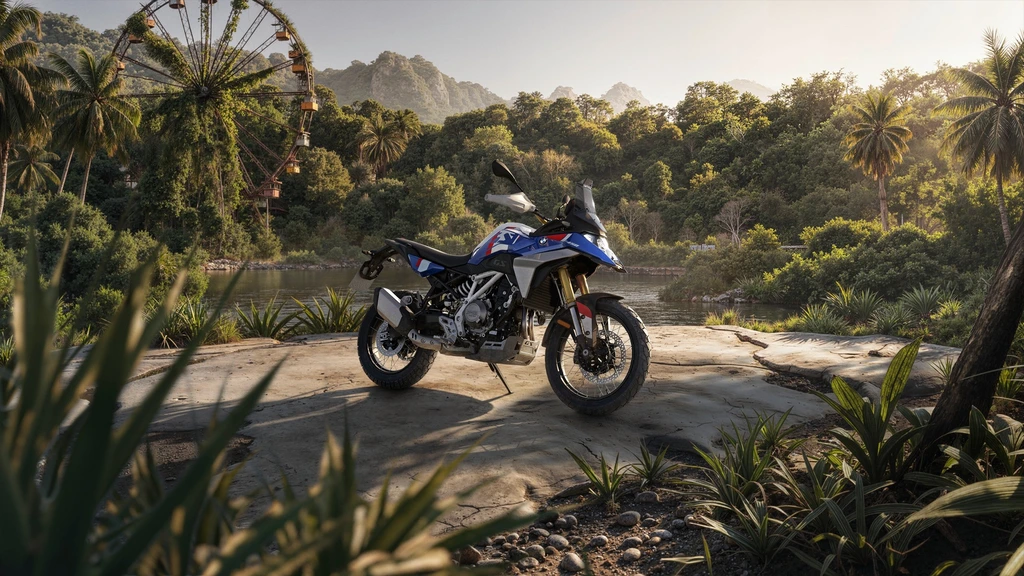
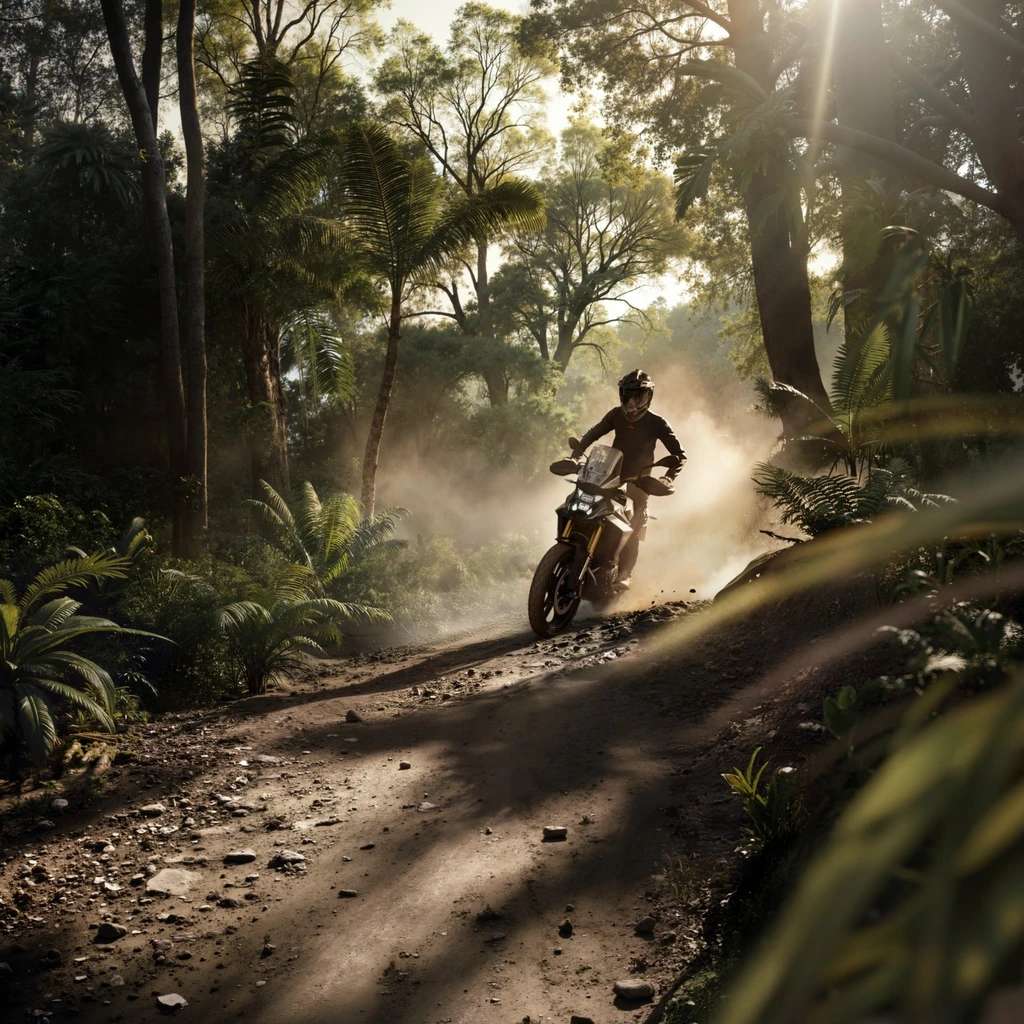
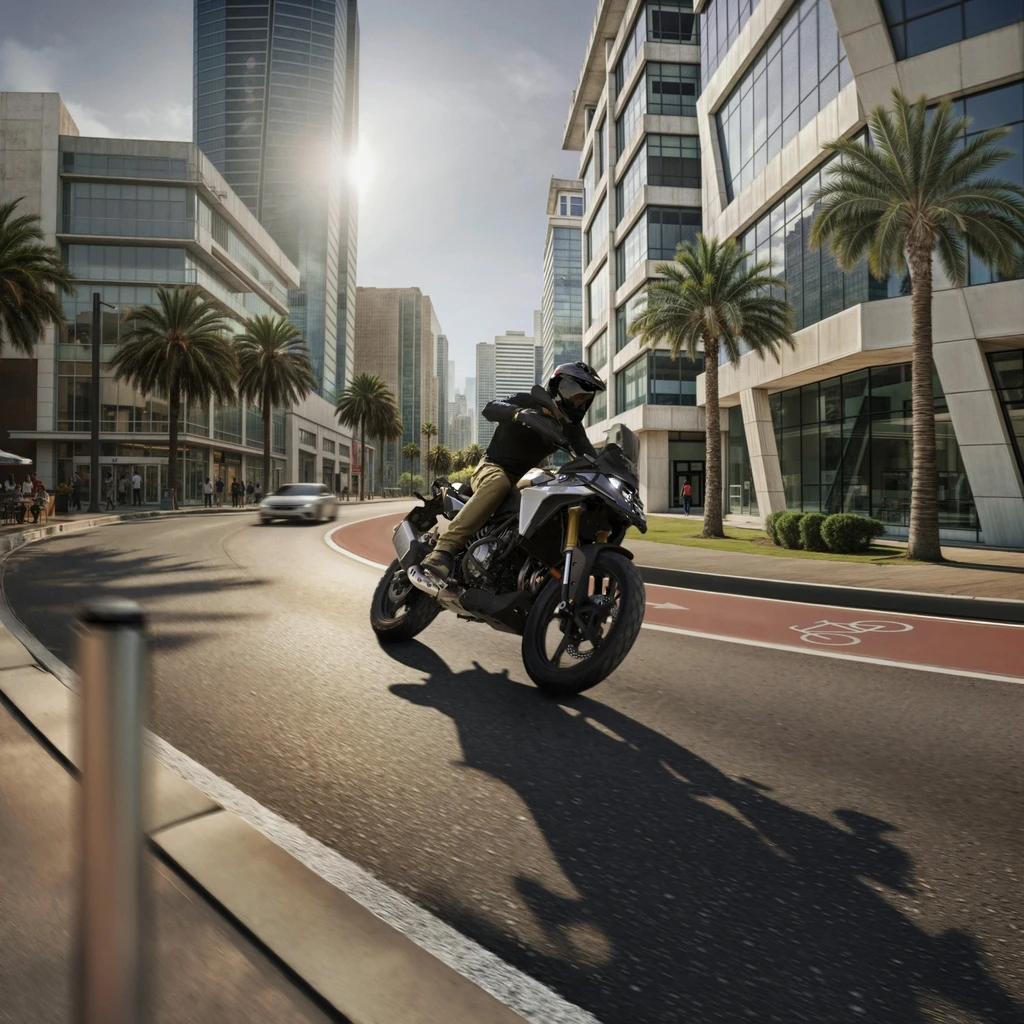
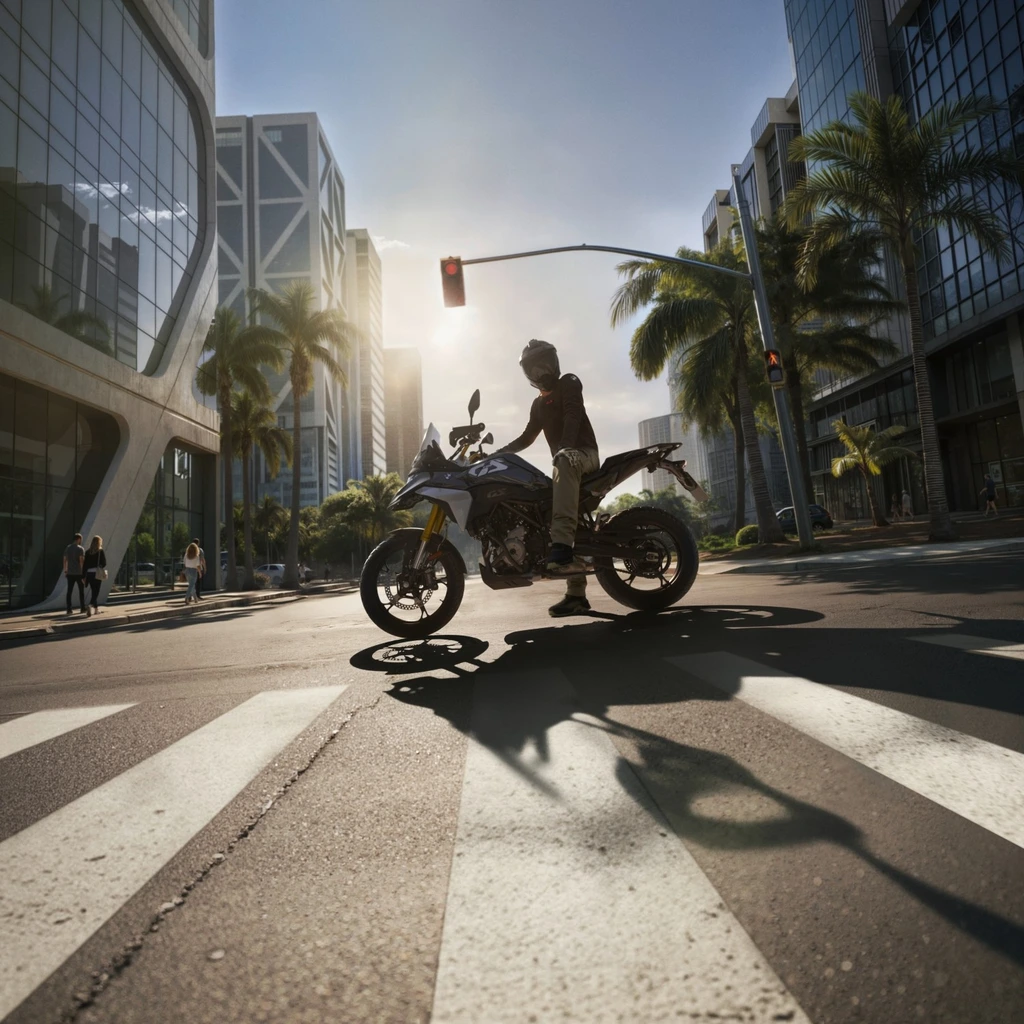
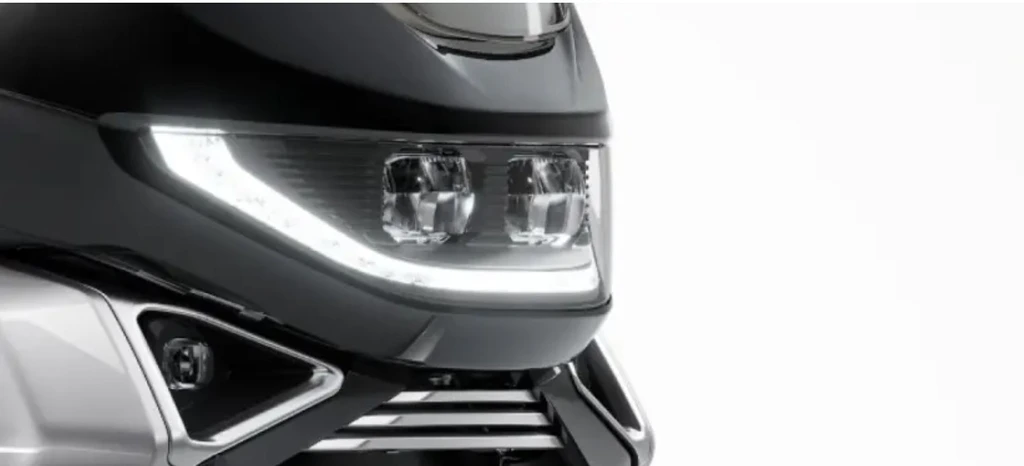
Moto Morini stole the spotlight at EICMA 2025 by bringing back a true legend — the Kanguro. First loved in the 1980s, the Kanguro returns as a modern, versatile, and rider-friendly dual-sport machine that blends retro charm with today’s adventure spirit.
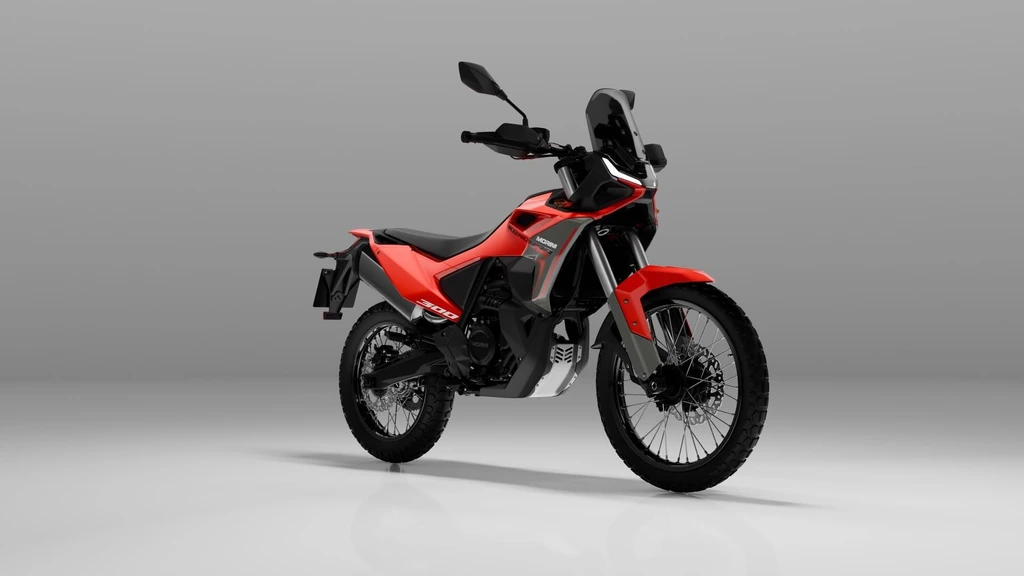
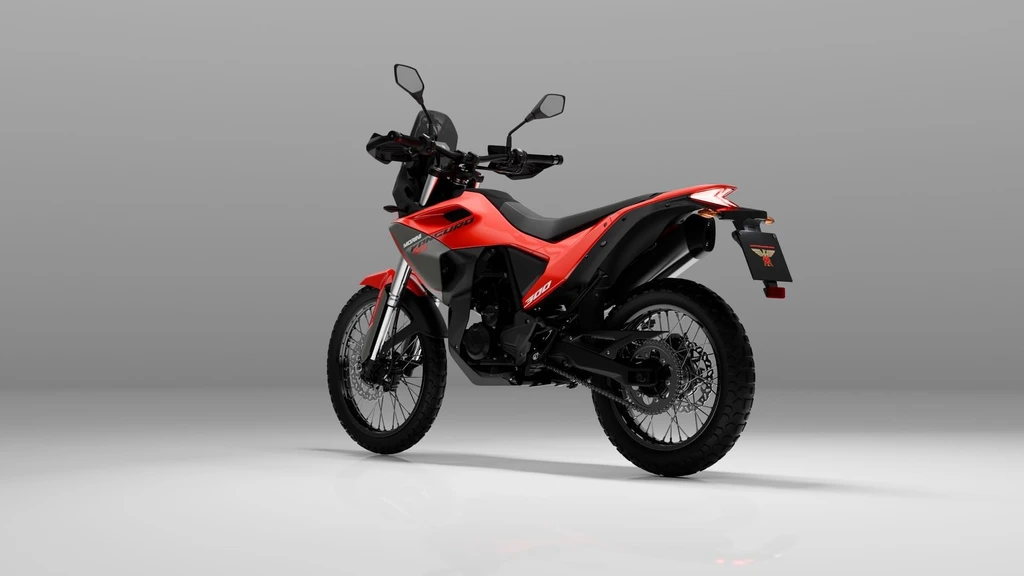
The new Kanguro 300 keeps things simple and capable. It’s powered by a 300cc single-cylinder engine producing 34 hp and 27 Nm of torque, making it perfect for both new and experienced riders — even those with an A2 license. Moto Morini focused on keeping the bike balanced, with smart design choices like a fuel tank positioned under the seat to help centralize mass.
Built on a steel frame with an aluminum swingarm and rear subframe, the Kanguro feels sturdy yet light. Suspension duties are handled by a 41 mm front fork and a rear shock with progressive linkage, offering a generous 250 mm of travel for tackling rough trails. Add in the 21-inch front and 18-inch rear wheels, and you’ve got a proper off-road setup. And yes, the ABS can be switched off—because adventure is best enjoyed with a bit of dirt flying around.
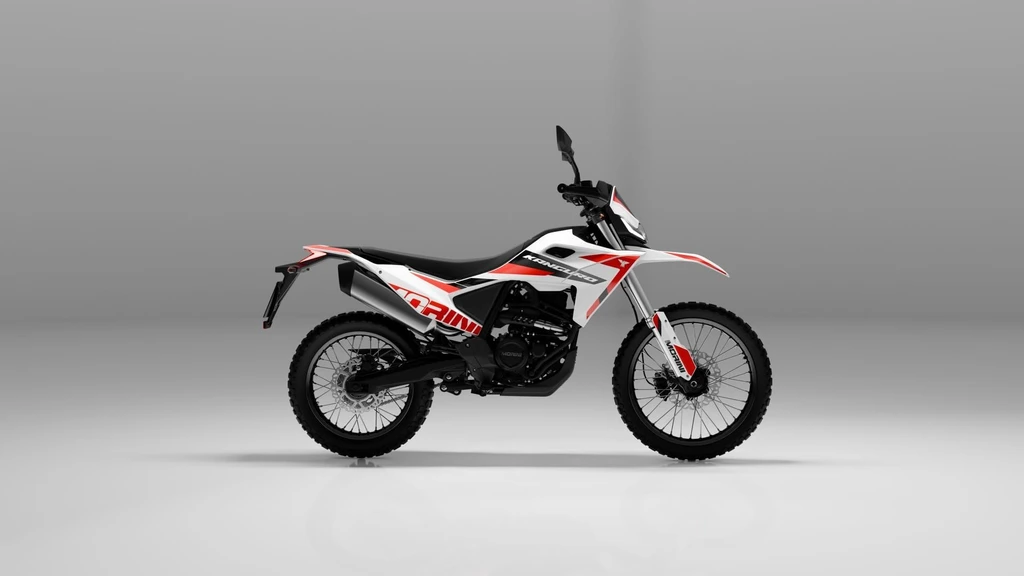
Moto Morini offers the Kanguro 300 in two versions:
The Base model, featuring a high-mounted front fender, weighs just 145 kg.
The Rally version, with a low front fender and compact windshield, comes in at 153 kg.
Both versions share an 880 mm seat height, keeping the ergonomics adventure-friendly without being intimidating.
The Moto Morini Kanguro 300 will hit dealerships in the second half of 2026, ready to win over riders who crave simplicity, style, and the freedom to explore both city streets and wild trails.
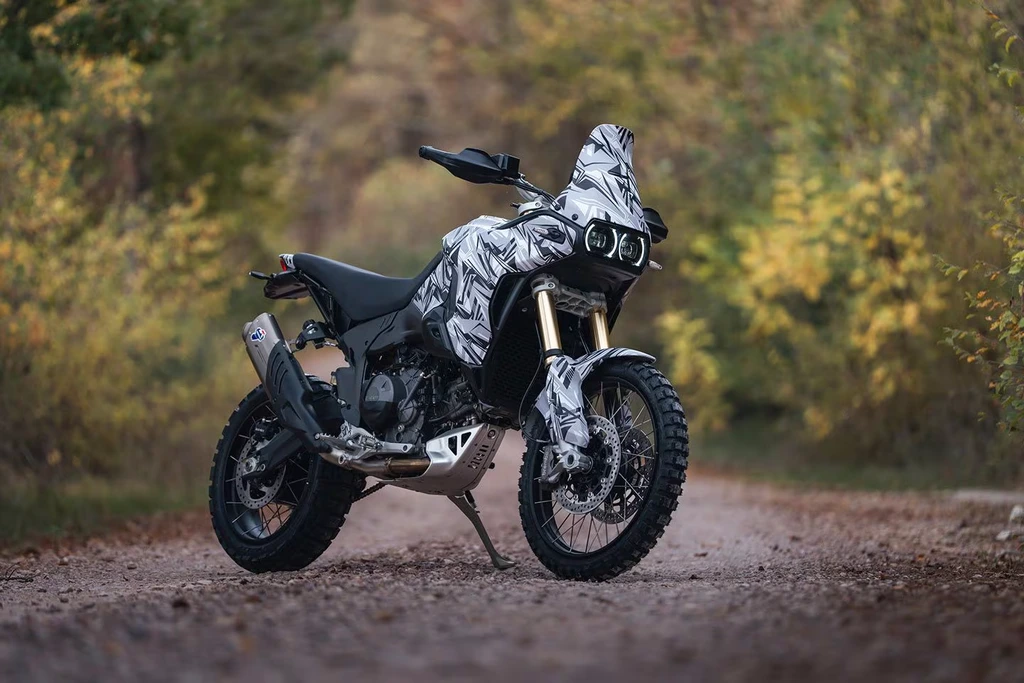
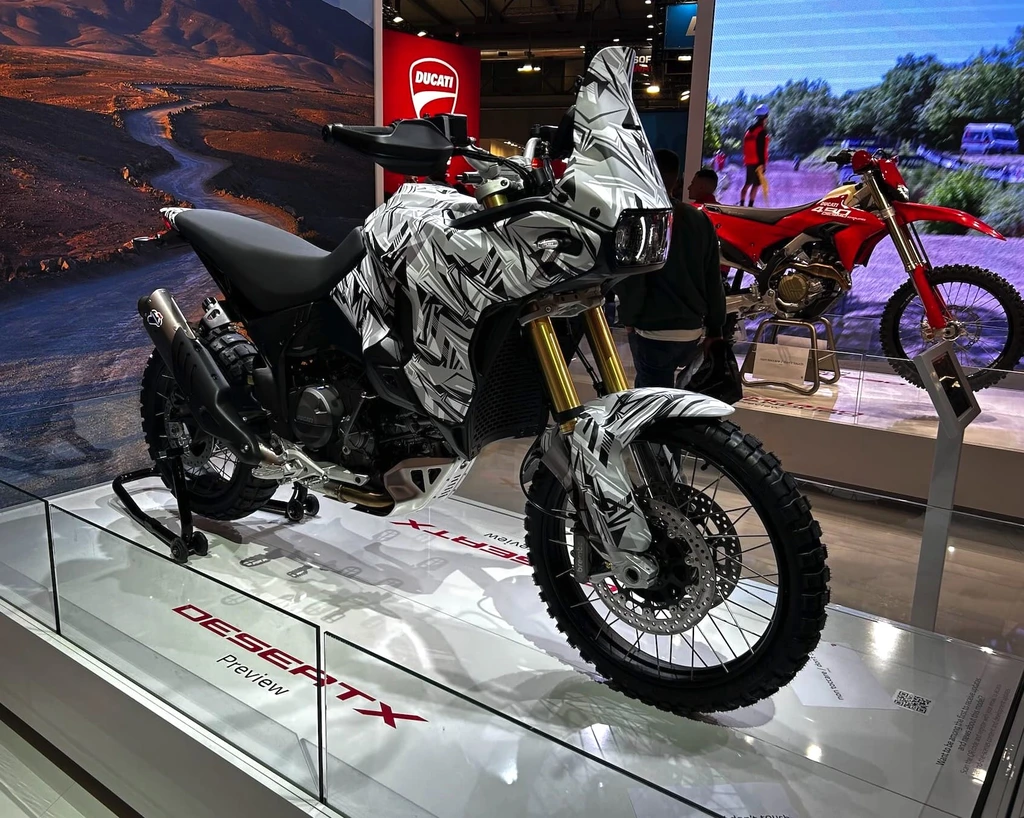
Heading into EICMA, everyone expected Ducati to finally roll out a new DesertX powered by the 890cc V2 engine. But Ducati had other plans. Instead of unveiling the adventure bike, the Italian brand used the show to debut that same engine in the new Hypermotard V2. Still, the DesertX wasn’t missing entirely — Ducati showcased a pre-production version and confirmed that the full reveal will happen in February 2026.
Ducati shared several images of the upcoming 2026 DesertX, along with a few important details. The bike will use the V2 engine with Intake Variable Timing (IVT), producing 110 hp at 9,000 rpm and 67.9 lb-ft of torque at 7,000 rpm. That’s roughly one horsepower less and 0.7 lb-ft more than the Monster, but about ten horsepower below the Hypermotard V2, Streetfighter V2, and Panigale V2.
The company also confirmed that the new DesertX will feature a new suspension system with progressive rear linkage and a curb weight (without fuel) of 454 pounds — about nine pounds lighter than the current model. Much of that drop comes from the new engine. Ducati previously noted that the bike will also come with a dedicated transmission, fitting its off-road focus.
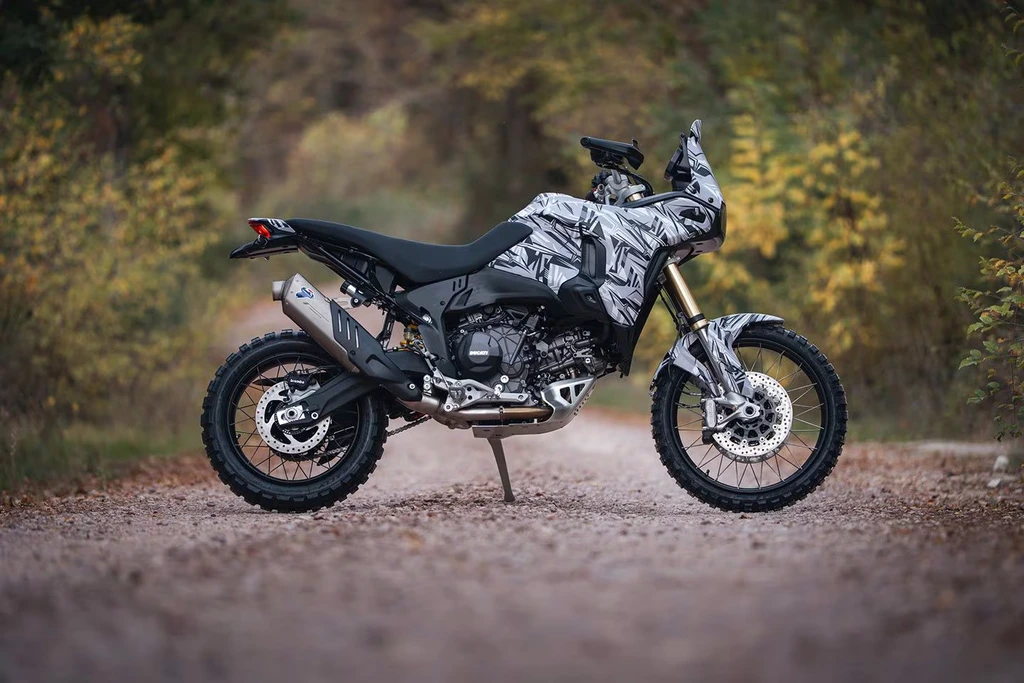
Even though it’s a pre-production model, some design changes are easy to spot when compared with the current DesertX. The windscreen has a new shape with a more forward-tilted top, while the bodywork is fresh, featuring an opening behind the lower fork clamp and a re-positioned side vent.
It appears that the new DesertX uses a monocoque aluminum front frame like other V2 models, replacing the trellis frame of the current version. A revised trellis subframe remains, now with different geometry. The seat is a one-piece design, offering noticeably more padding near the tank area.
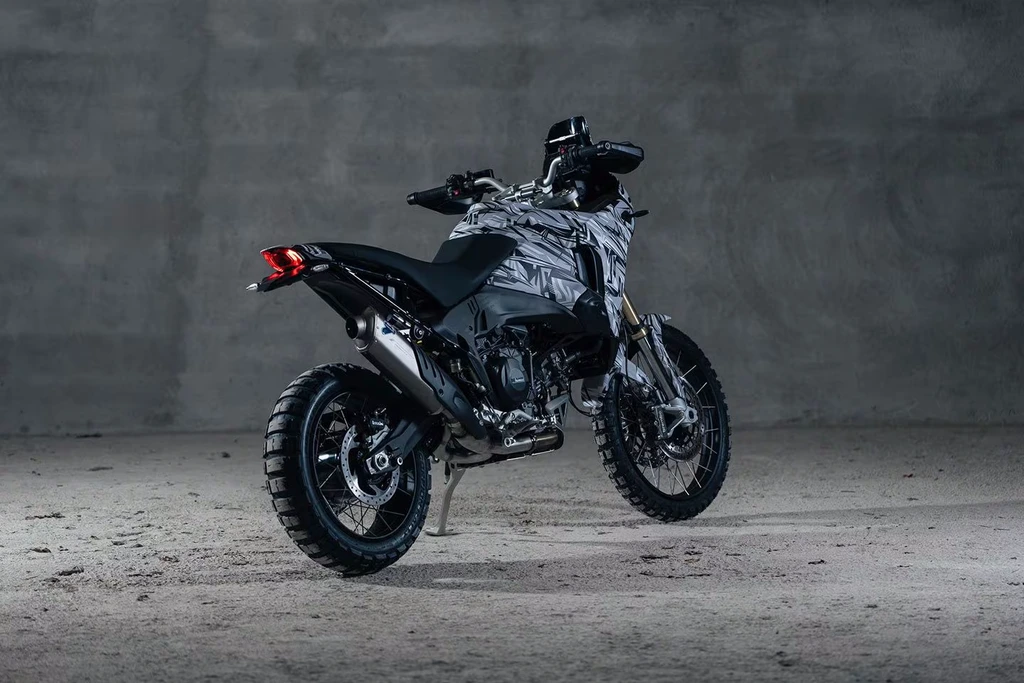
Under the engine, there’s a new skid plate protecting the front cylinder’s exhaust header. The exhaust system is completely new, though the Termignoni silencer seen on the prototype may not be final. The swingarm design differs not only from the current DesertX but also from other V2-powered Ducatis. The rear monoshock now sits closer to vertical, hinting at the new linkage setup. Apart from the gold fork tubes, there are no clear signs of change to the front suspension.
The rear brake looks the same as before, but the front wheel now uses different Brembo calipers.
For now, Ducati hasn’t revealed more details. The official launch of the 2026 DesertX will take place in February, with deliveries beginning in May for Europe and June for North America.
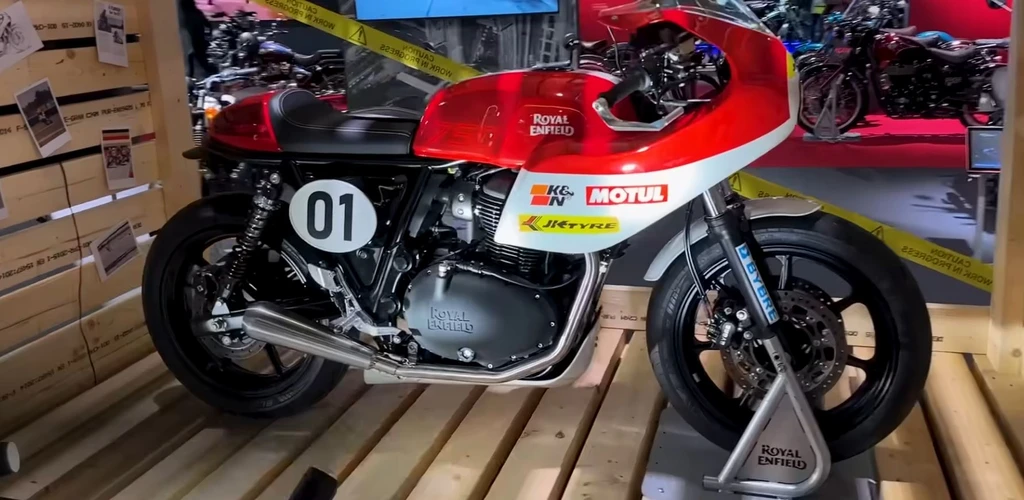
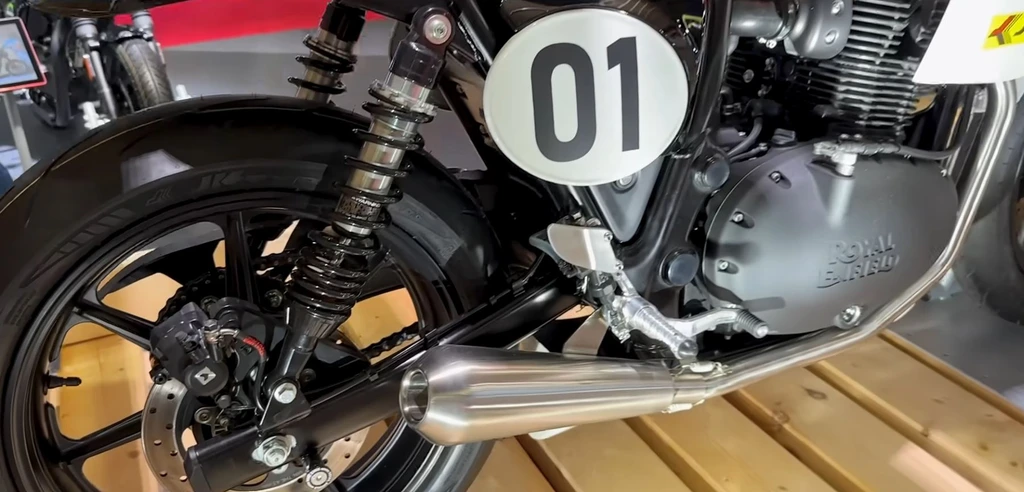
Sharing the spotlight at EICMA 2025, Royal Enfield also showcased the Continental GT 750 prototype — a race-focused evolution of the popular GT line.
The GT 750 runs on a new 750cc parallel-twin engine that’s likely to produce around 54–55bhp and 65Nm of torque. This prototype is set to be used in INRC racing next year, and since it’s a race-spec machine, it could be lighter than the 650 model.
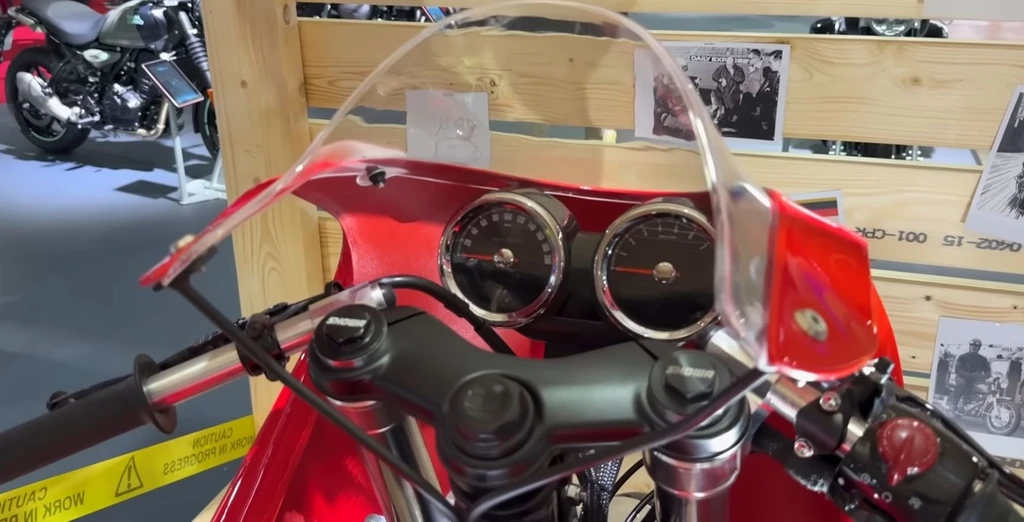
It sports a new chassis, redesigned steering T, and Showa race-tuned suspension with telescopic forks at the front and twin shocks at the rear. Braking is handled by twin front discs and a single rear disc.
The bike’s design carries a strong retro racing theme — a semi-fairing, café racer-style fuel tank, and stubby tail section with tuck-and-roll seats. It rides on 18-inch alloy wheels wrapped in soft-compound tyres.
Royal Enfield is expected to reveal more information at Motoverse 2025 (Indian motorcycling event similar to EICMA), while the final production model will likely be showcased at EICMA 2026, followed by a launch around late 2026.
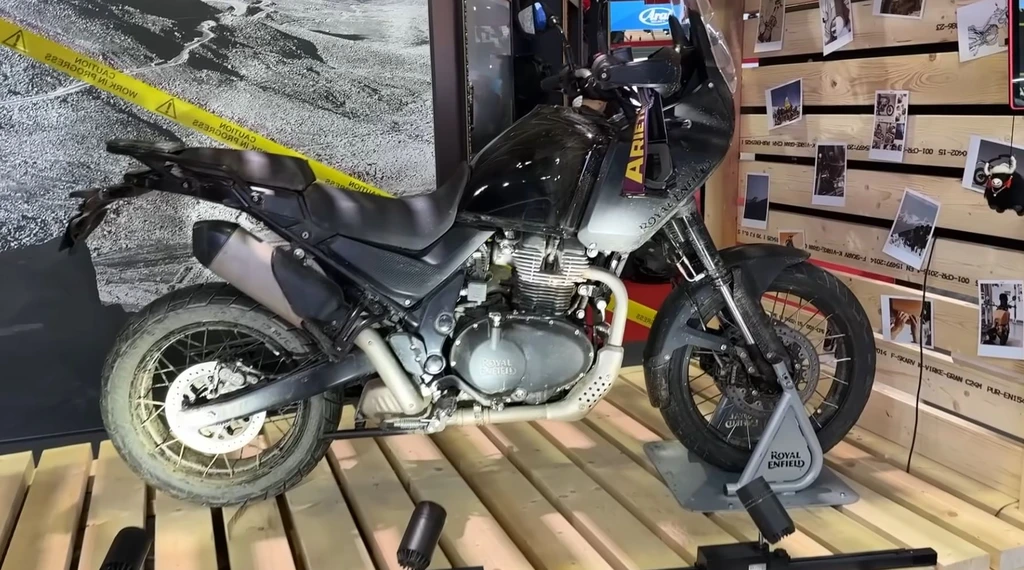
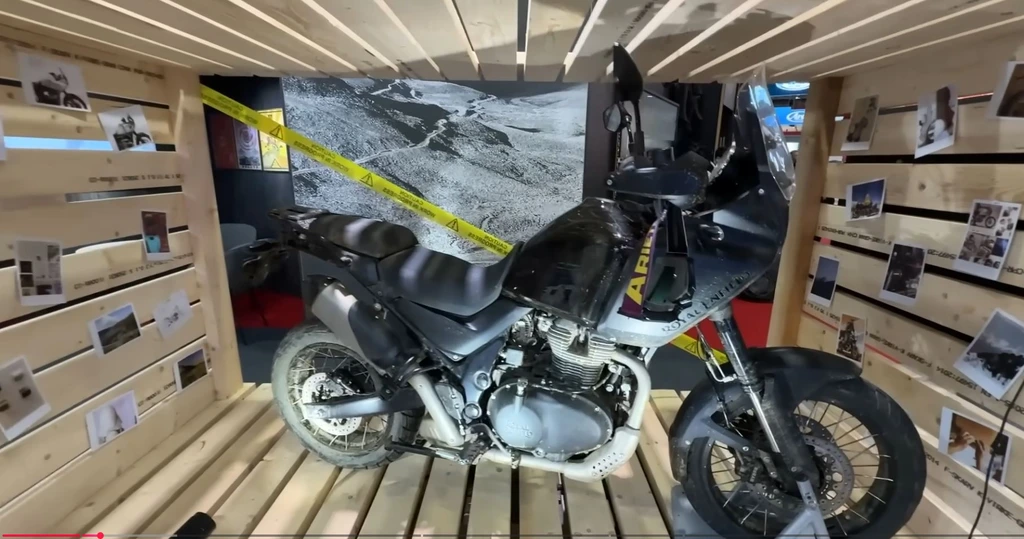
Alongside the Bullet 650 and the Flying Flea models, Royal Enfield displayed a prototype of the Himalayan 750, hinting at a major upgrade to its adventure lineup.
The new 750cc engine appears to be based on an evolved version of the brand’s existing 648cc motor, with a larger block, head, and redesigned crankcases. The engine is expected to produce around 55–60hp, making it the most powerful Himalayan yet.
It features a two-into-one exhaust with an upswept muffler — ideal for off-road use but requiring care while carrying luggage or a pillion. The Himalayan 750 also sits on a brand-new frame and swingarm, now equipped with a monoshock and remote preload adjuster, replacing the traditional twin shocks.
At the front, the fork seems to have some level of adjustability, and the bike runs on 19-inch front and 17-inch rear wheels with Vredestein Centauro dual-purpose tyres. Cross-spoke rims are shown on the display model, though previous spy shots suggest an alloy variant may also exist.
Design-wise, it’s a step away from the rugged look of its smaller siblings. The tank area now flows into a new front panel, surrounding a familiar LED headlight. A taller adjustable windscreen, larger fuel tank, and comfortable seats point towards its touring focus.
Inside the cockpit sits the same TFT display and switchgear as the Himalayan 450, while the big addition is cruise control — a first for Royal Enfield. The bike also comes with a centre stand for convenience.
The Himalayan 750 is expected to go on sale next year, with few direct competitors apart from the upcoming Norton Atlas 585.
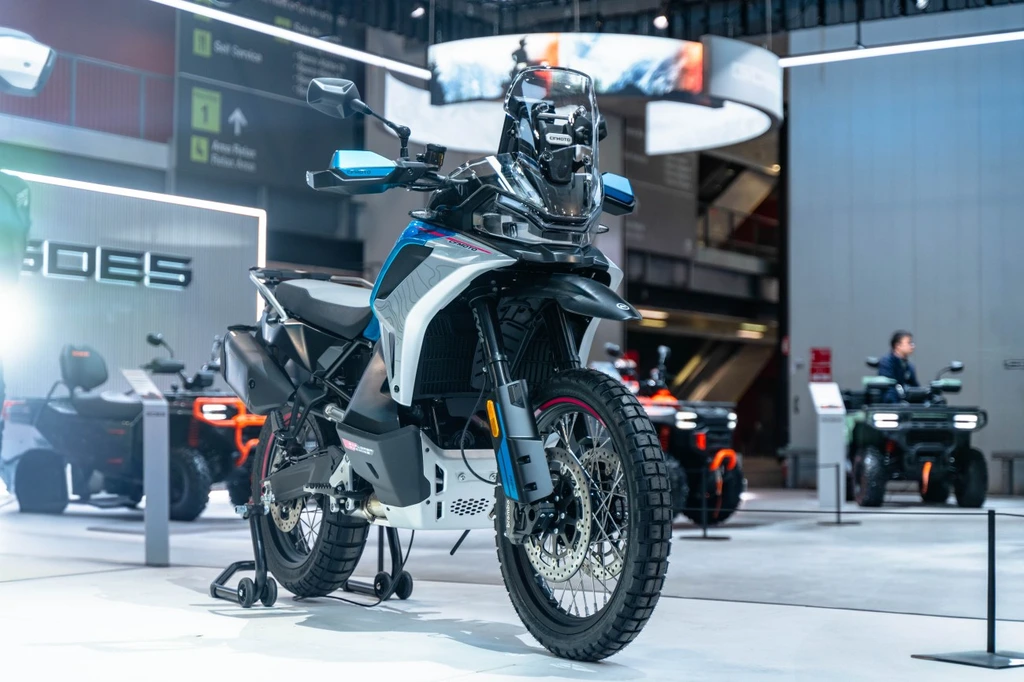
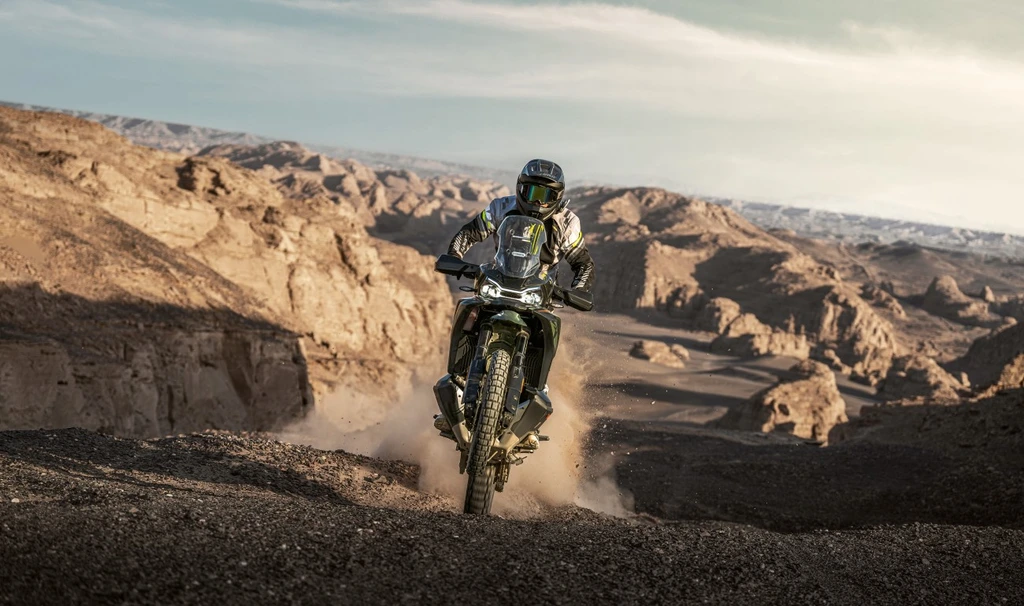
CFMOTO came roaring into EICMA 2025 with a bold message — “Future Faster.” And leading that charge is the all-new CFMOTO 1000MT-X, the brand’s biggest, most capable, and most exciting adventure bike yet. Built for those who crave the open road (and the unbeaten path), the 1000MT-X blends serious touring ability with rugged, go-anywhere performance.
Born From the MT Legacy
CFMOTO’s MT series has already proven its worth among riders of all ages. From everyday commutes to epic weekend adventures, the MT range has become synonymous with versatility and fun. The CFMOTO MT Challenge, held across nearly 20 countries this year, showed just how deeply these bikes have connected with riders worldwide — culminating in a thrilling final showdown in Australia.
Meet the New Flagship: The 1000MT-X
Now, CFMOTO has pushed the limits even further. The new 1000MT-X sits proudly at the top of the MT family, powered by a 946.2cc parallel-twin engine delivering 111hp at 8500rpm and 105Nm of torque at 6250rpm. That’s serious punch for a bike built to cover continents.
But power is just the beginning. Thanks to Bosch MSE 9.0 EFI, throttle response is smooth and precise, refined through over 100,000 km of endurance testing. Despite its might, the engine weighs just 56 kg, and the overall dry weight sits at a slim 199 kg/ 439 lbs, giving the 1000MT-X surprising agility for a liter-class adventure bike.
And when it’s time to go the distance, the 22.5-liter fuel tank will carry you more than 450 km before needing a refill. Comfort hasn’t been forgotten either — the bike’s slim profile, 2-1 seat, and adjustable ergonomics make it as happy on long hauls as it is on rocky trails.
Built Tough, Loaded Smart
Adventure demands durability, and the 1000MT-X delivers. The bike rides on aerospace-grade 7-series aluminum rims — 67% stronger than standard alloys — wrapped in Pirelli Scorpion Rally STR tires for maximum grip. Suspension duties are handled by fully adjustable KYB units, while Brembo brakes bring the power to a stop with confidence.
Technology runs deep here too. Top features of the 1000 MT-X :
Bosch 6-axis IMU with:
Five ride modes
ABS
Traction control
8-inch TFT touchscreen display
TPMS (Tire Pressure Monitoring System)
Quickshifter for seamless gear changes
Heated grips and seat for all-weather comfort
Cruise control for relaxed long rides
Adjustable handlebars and windscreen for personalized ergonomics
Protective equipment included:
Skid plate
Handguards
Chain guard
The 1000MT-X also nails the look. Available in Zephyr Blue and Tactical Green, it’s rugged yet refined — unmistakably CFMOTO.
The 1000MT-X CRAFTED: Adventure, Reimagined
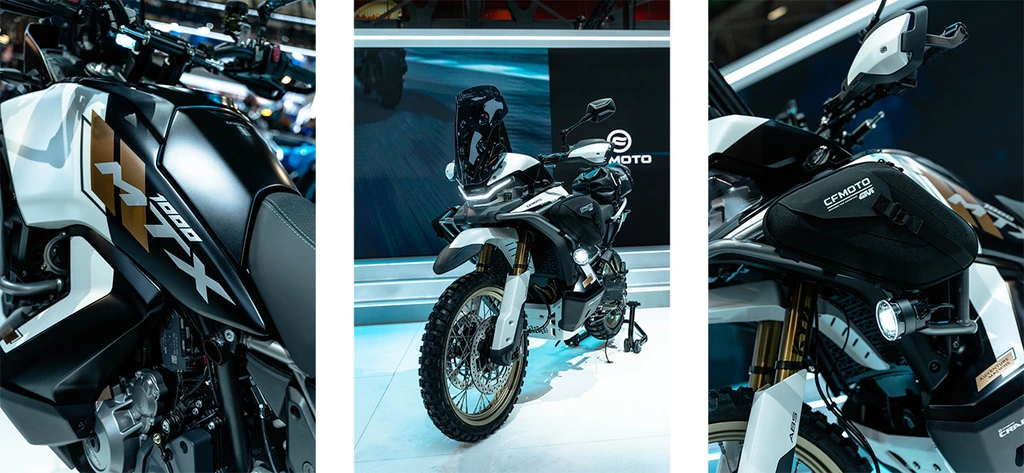
To show just how customizable this new machine can be, CFMOTO also unveiled the 1000MT-X CRAFTED edition at EICMA. This special version sported bronze wheels and forks, satin-gray engine covers, frame and swingarm protectors, and added protection bars — giving it a rugged, premium vibe that screams individuality.
It’s proof that the 1000MT-X isn’t just a motorcycle — it’s a platform for expression, ready to be tailored to your own adventures.
Final Thoughts
With the CFMOTO 1000MT-X, the brand has officially stepped into the big leagues of adventure touring. It’s powerful, practical, packed with features, and dripping with attitude — everything a modern explorer could ask for.
CFMOTO’s message is clear: the future of adventure riding just got faster.
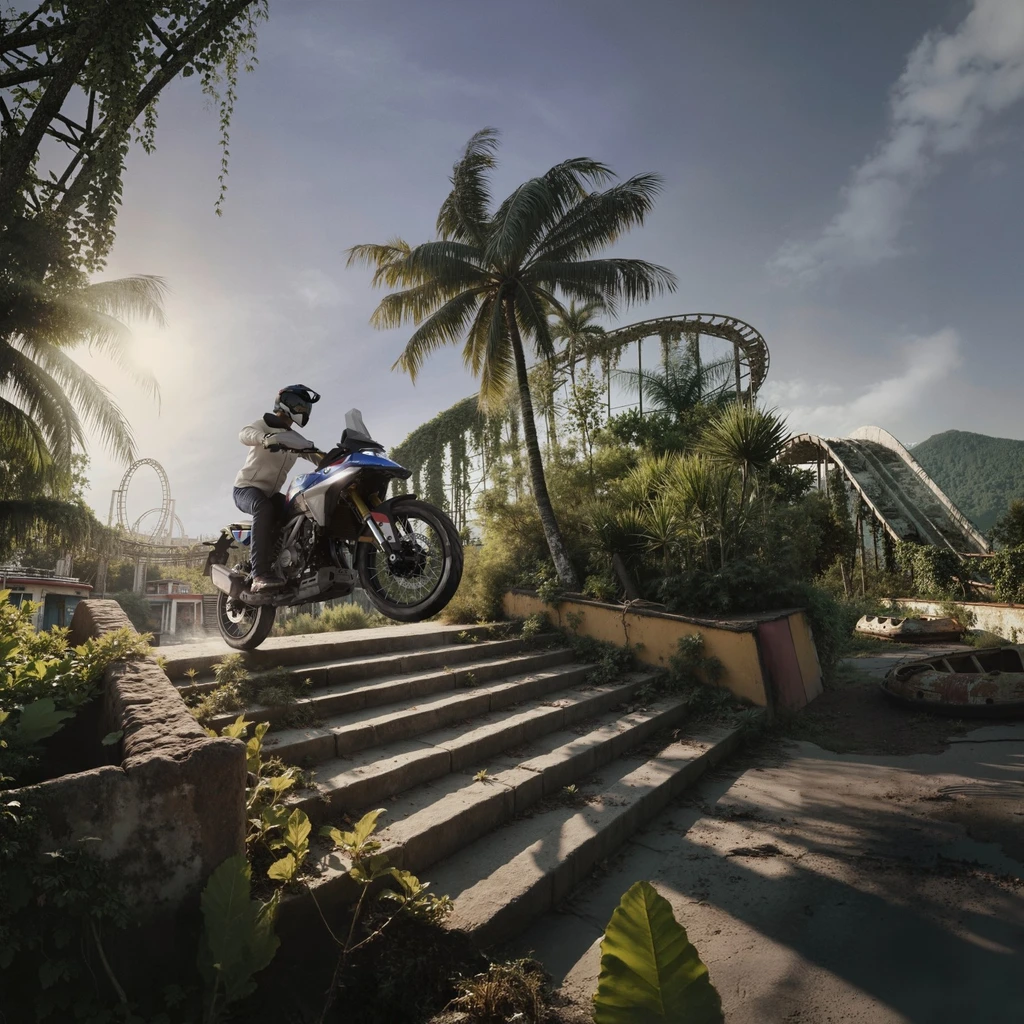
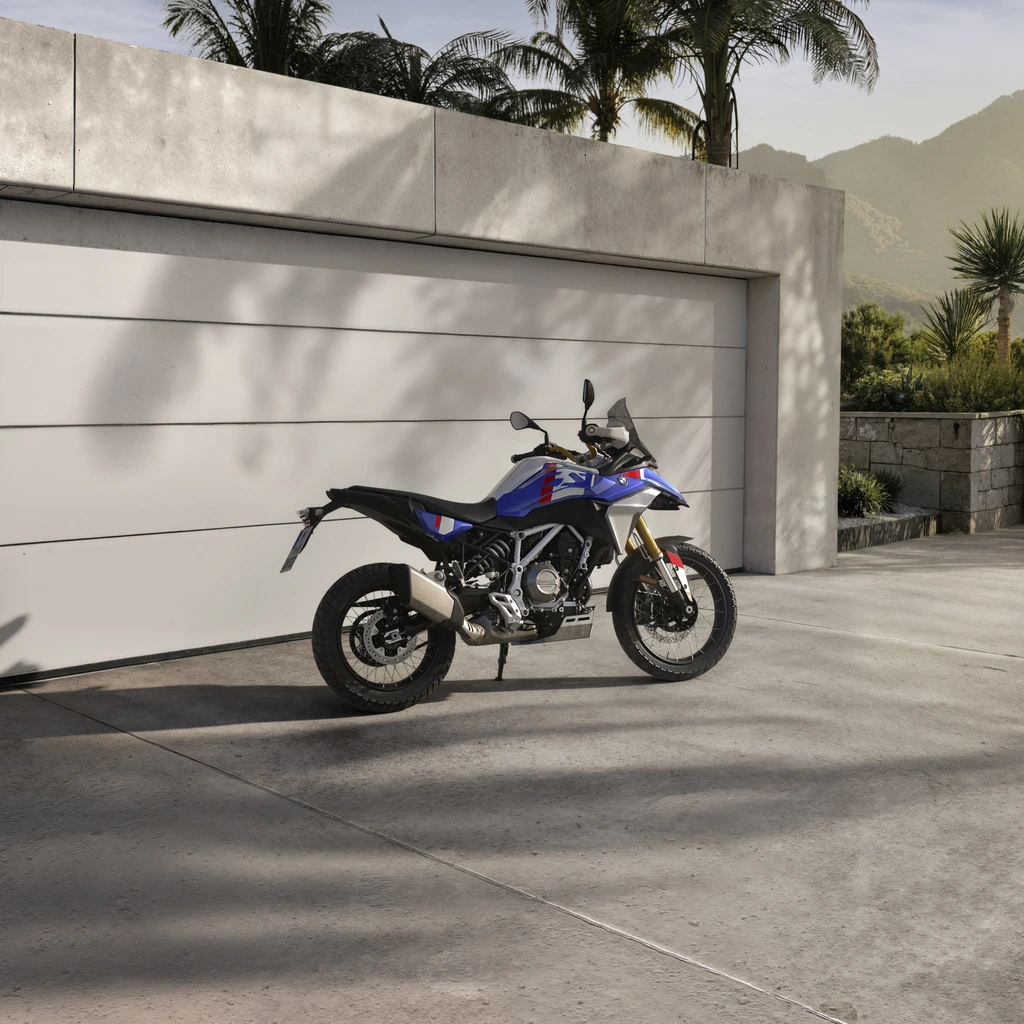
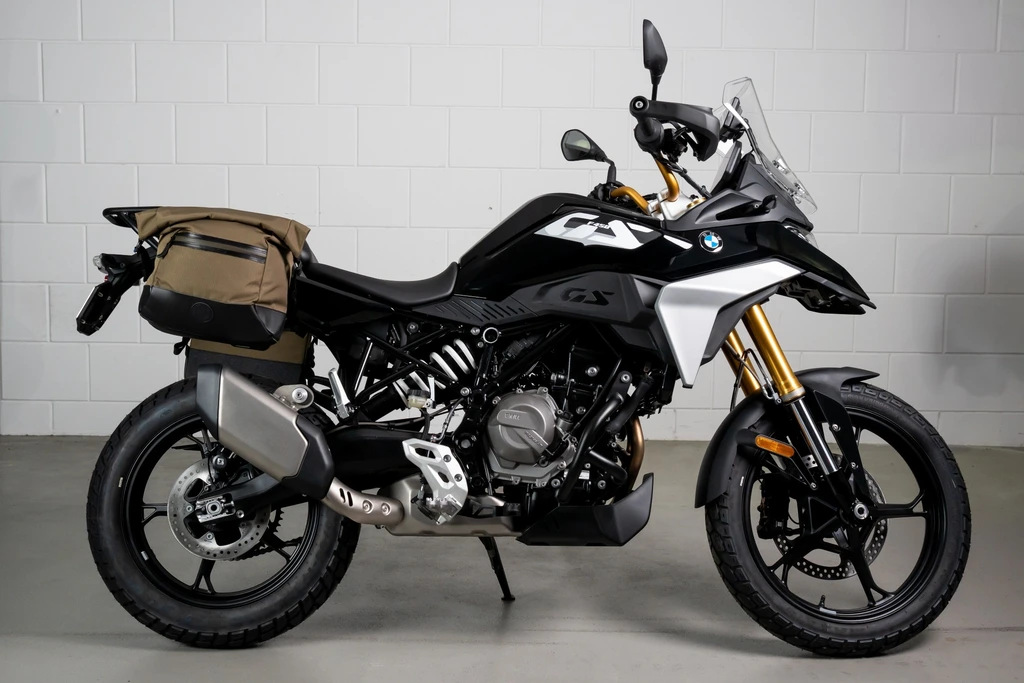
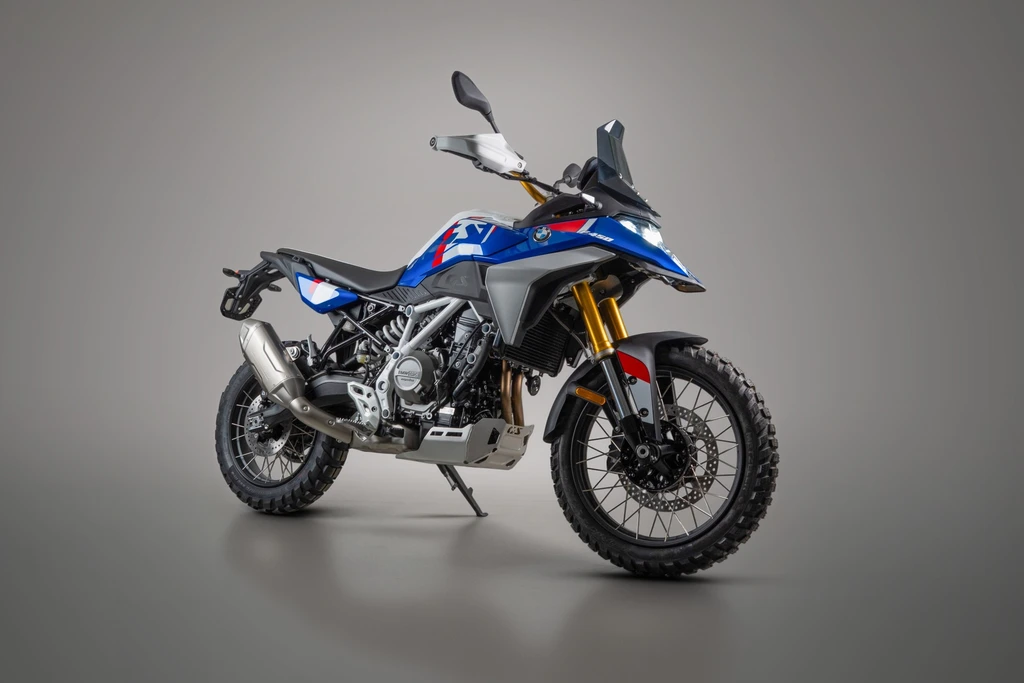
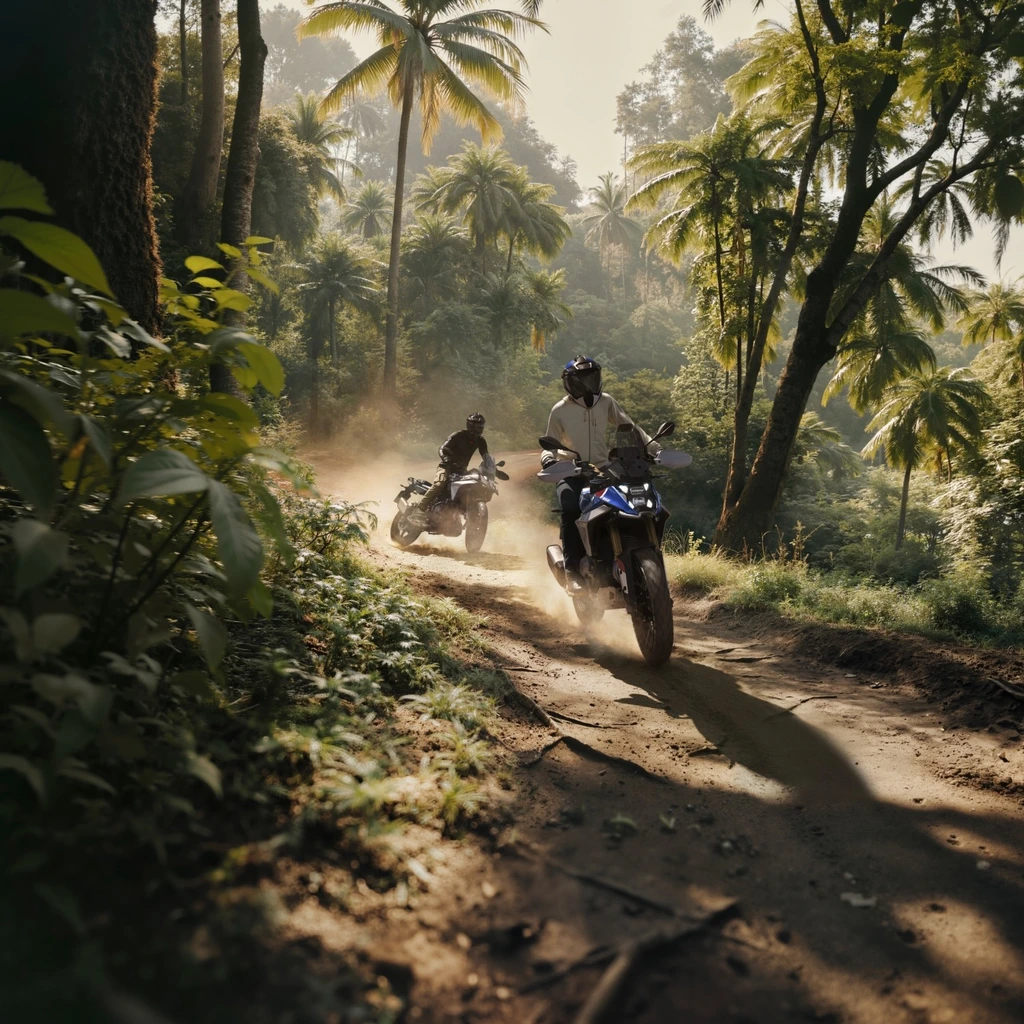
BMW Motorrad has officially unveiled the all-new BMW F 450 GS, a compact yet fully fledged member of the legendary GS family. Designed for the A2-license class (48 hp), it blends BMW’s adventure DNA with modern agility and technology, redefining what a lightweight adventure bike can be.
“Get on, twist the throttle, have fun — with full control and confidence,” says Markus Flasch, CEO BMW Motorrad, describing the spirit of the new F 450 GS.
Pure GS Spirit for a New Generation
The BMW F 450 GS has been engineered from the ground up to deliver the essence of GS riding — adventure, balance, and control. Its low weight, superior power-to-torque ratio, and refined ergonomics make it intuitive for new riders yet engaging for veterans.
“This motorcycle is aimed at anyone who values agility, versatility, and pure riding pleasure,” explains Astrid Neudecker, Product Manager BMW F 450 GS.
All-New 420 cc Parallel-Twin Engine
At the heart of the F 450 GS is a completely new two-cylinder inline engine producing 35 kW (48 hp) at 8,750 rpm and 43 Nm at 6,750 rpm.
Compact 420 cc displacement
135-degree crankpin offset for smoother character
Balance shaft for vibration reduction
Meets EU5+ emission standards
Fuel consumption: 3.8 L/100 km
14-liter tank gives 350 km+ range
10,000 km maintenance intervals
The result is a compact, efficient, and responsive motor designed for both asphalt and dirt.
Easy Ride Clutch (ERC): A Class-First Innovation
A standout feature is BMW’s Easy Ride Clutch (ERC) — a centrifugal system that eliminates the need for clutch-lever operation in everyday riding.
Standard on the GS Trophy variant
Optional on all others
Works seamlessly from take-off to gear changes
Clutch lever remains available for manual control
Prevents stalling, adds comfort and precision off-road
Combined with Shift Assistant Pro, riders can upshift and downshift without the clutch, offering both convenience and sportiness.
Refined Chassis and Handling
BMW developed an entirely new tubular-steel lattice frame for the F 450 GS, combining lightweight construction with impressive rigidity. The compact wheelbase ensures playful and agile handling, while a KYB 43 mm USD fork handles suspension duties at the front. At the rear, a KYB central spring strut with rally-inspired, travel-dependent damping delivers excellent control and comfort. The Sport and GS Trophy variants further enhance this setup with fully adjustable suspension. Together, these elements create the signature GS balance of confidence and stability on any terrain.
Safety and Rider Aids
The new GS is loaded with BMW’s latest electronic systems:
Riding Modes: Rain / Road / Enduro (standard)
Enduro Pro mode from Exclusive trim upward
ABS Pro, Dynamic Traction Control (DTC), Dynamic Brake Control (DBC), Engine Drag Torque Control (MSR)
Brembo front brake with 310 mm disc and ByBre rear
Dynamic brake light for added visibility
Together, they ensure confident braking and control in every scenario.
Ergonomics and Comfort
BMW designed the F 450 GS with long-distance comfort and daily usability in mind. It features a standard two-part seat at 845 mm, with optional low (830 mm) and rally (865 mm) seats to suit different rider preferences. Adjustable hand levers and an optional 20 mm handlebar riser add to the customization, while removable rubber inserts on the footrests make it equally at home on- and off-road. Both the footbrake and gearshift levers are height-adjustable for better control, and heated grips come standard. The ergonomic triangle offers a natural, relaxed posture—ideal for comfort and confidence whether seated or standing during off-road rides.
Touring-Ready Features
Practical details complete the package:
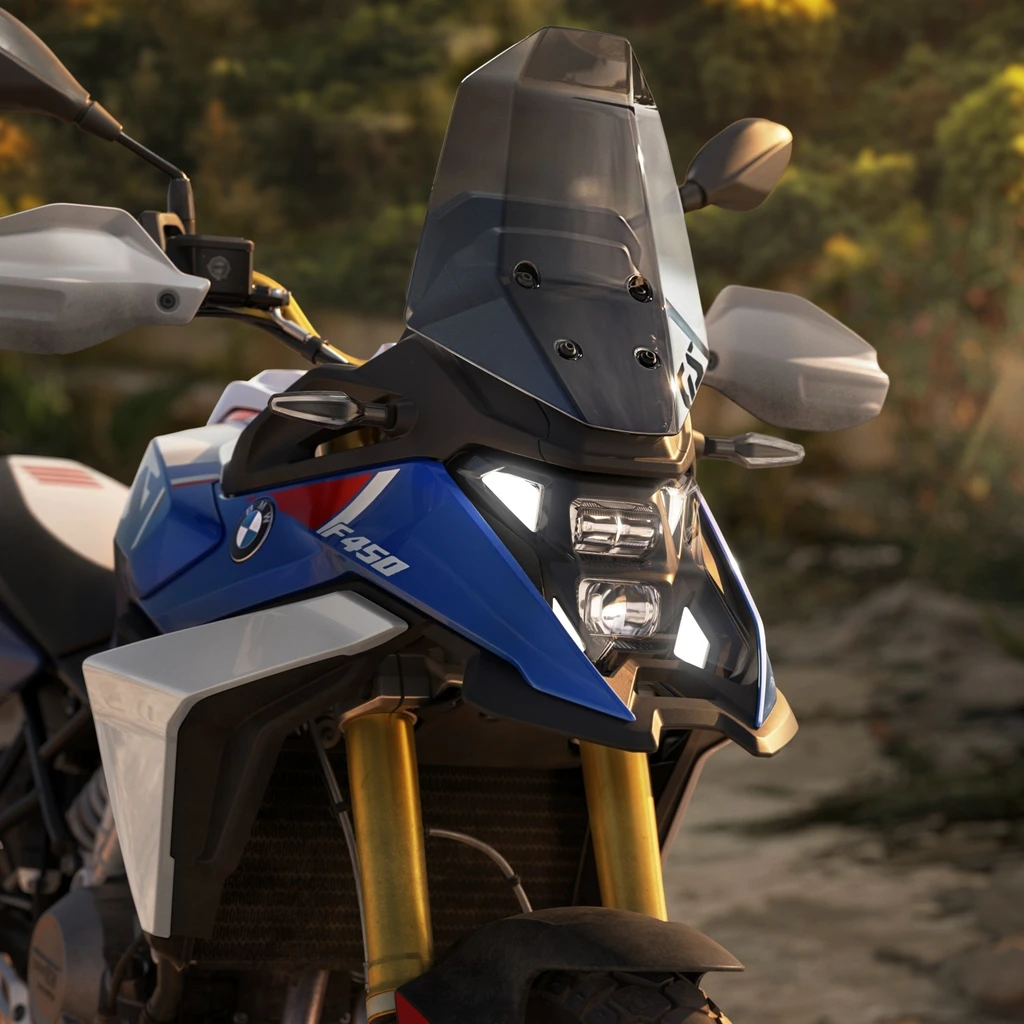
Modular windshield options (Tour / Rally, clear or tinted)
LED lighting with signature “X” daytime light
6.5-inch TFT display with connectivity for calls, music, and navigation
USB-C charging port in cockpit
Accessory options for engine guards, side bags, tank bags, and luggage systems
Four Distinct Equipment Variants
BMW F 450 GS Basic (Cosmic Black)
Standard setup
Ideal for everyday riders entering the GS world
BMW F 450 GS Exclusive (Cosmic Black)
Off-road foot pegs, handguards, engine guard
Riding Modes Pro, Shift Assistant Pro
Clear windshield
BMW F 450 GS Sport (Racing Red)
Off-road foot pegs, handguards, engine guard
Riding Modes Pro, Shift Assistant Pro
Clear windshield
Sport suspension (KYB adjustable fork and shock)
BMW F 450 GS Trophy (Racing Blue Metallic)
Off-road foot pegs, white handguards
Riding Modes Pro, Shift Assistant Pro
Sports suspension, aluminum engine guard
Tinted Rally windshield
Easy Ride Clutch (ERC) standard
Key Highlights at a Glance
48 hp twin-cylinder adventure bike with 178 kg ready-to-ride weight
Excellent handling, strong performance, and low-vibration character
Easy Ride Clutch (ERC) – standard on Trophy, optional on others
Shift Assistant Pro – clutch-free gear changes
Three standard riding modes + Enduro Pro on higher trims
New tubular-steel frame with KYB suspension
LED lighting, heated grips, 6.5-inch TFT display, USB-C port
Conclusion
The BMW F 450 GS is not just a downsized GS — it’s a modern re-imagination of the adventure formula. Agile, advanced, and unmistakably BMW, it opens the GS world to a new generation of riders while retaining the rugged, go-anywhere attitude that made the badge legendary.
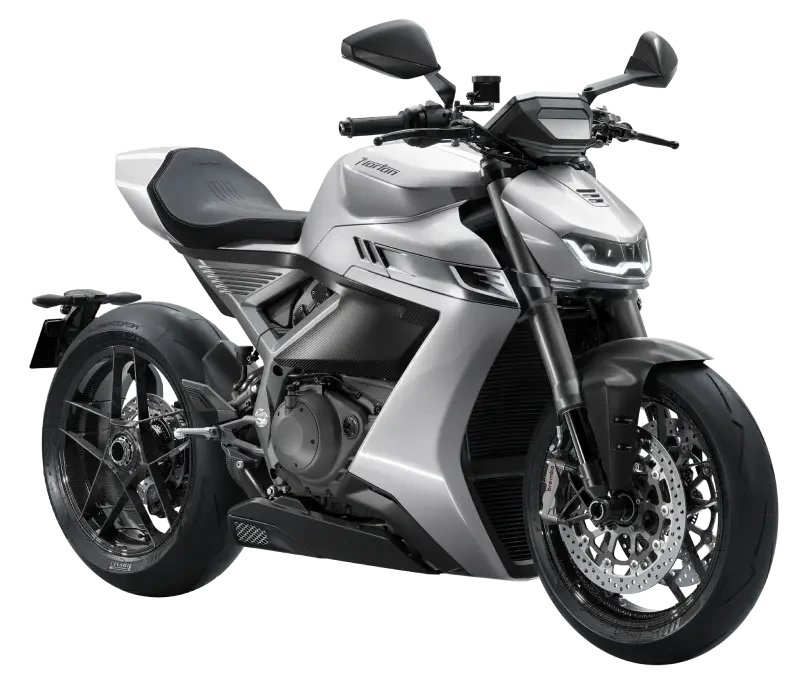
At EICMA 2025, Norton pulled the wraps off a completely new line-up that marks what the brand proudly calls its “Resurgence.” Backed by the powerhouse that is TVS Motor Company, Norton is no longer chasing ghosts of the past. Instead, it’s charging into the future — with new bikes, a new factory, and a clear mission to make British performance relevant again.
And yep, we at ThrottleCraze.com had called it early! When Norton dropped that mysterious teaser, our team was among the few who went frame by frame, tweaking the video to spot hidden details. We hinted at a possible faired sports bike, and sure enough — Norton delivered with the Manx R. But the real surprise? They didn’t stop there. Alongside the Manx R came three more bikes — the Manx, Atlas, and Atlas GT — kicking off a full-on revival for the legendary British brand.
Norton’s Big Comeback: Backed by TVS Muscle
It’s been five years since TVS acquired Norton, and the transformation is finally taking shape. The brand now operates out of a shiny £200 million headquarters in Solihull, England, capable of building up to 8,000 motorcycles per year.
This isn’t just an assembly line — it’s Norton’s beating heart for design, R&D, and engineering, supported by TVS’s global network. The idea? Build motorcycles that can actually stand toe-to-toe with the world’s best, while staying true to Norton’s British DNA.
The New Lineup: Manx R, Manx, Atlas & Atlas GT
Leading the charge are four all-new machines — the Manx R, Manx, Atlas, and Atlas GT — with two more still waiting in the wings.
Let’s take a closer look at the models that are kicking off Norton’s new era.
Norton Manx R: The Flagship That Means Business
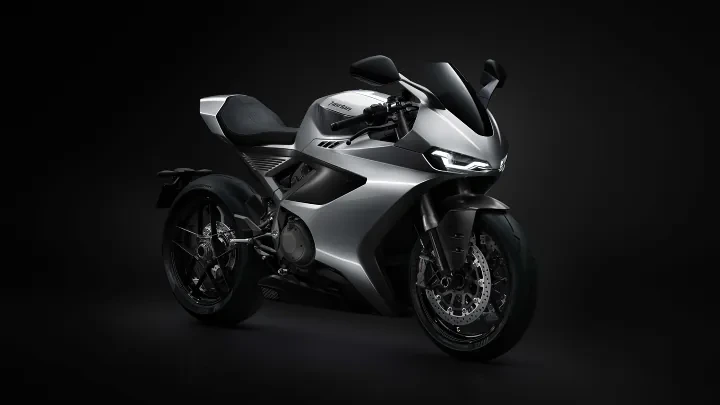
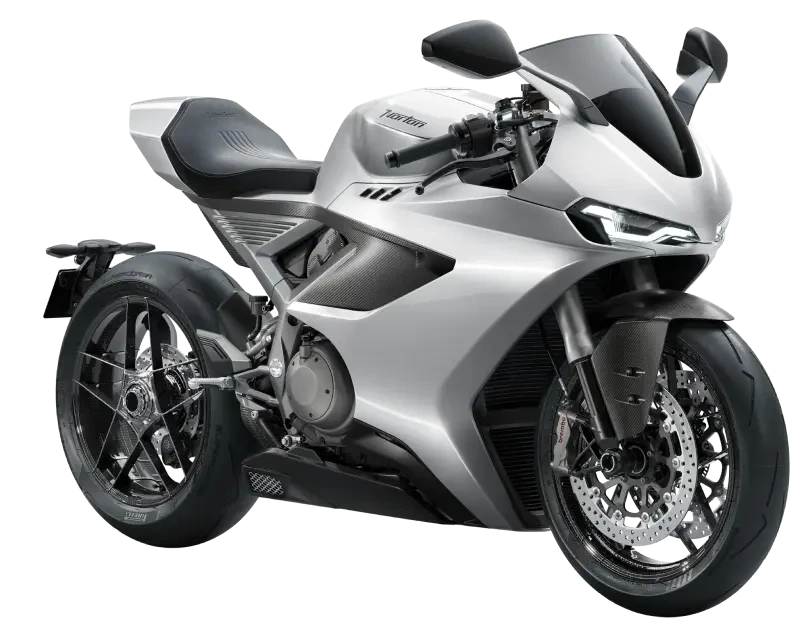
The Norton Manx R is the bike that announces Norton’s comeback with a bang. This fully-faired superbike doesn’t just wear the Manx name — it earns it. At its heart is a 1,200 cc V4 engine pushing out a claimed 206 hp and 130 Nm of torque, all wrapped in a lightweight chassis built for razor-sharp handling.
The Manx R comes armed with semi-active Marzocchi suspension, carbon wheels, and enough track-ready tech to embarrass bikes twice its price. But Norton insists this isn’t a garage queen or weekend warrior — it’s engineered for real roads and real riders. Think superbike performance with British refinement and the kind of build quality that finally puts Norton back in the big leagues.
Norton Manx: Naked Power, Refined for the Real World
Think of the Norton Manx as the stripped-down sibling of the flagship Manx R. Both are powered by Norton’s new 1,200cc V4, pumping out a wild 206 hp and 130 Nm of torque. That’s proper superbike territory.
Norton hasn’t confirmed if the Manx will get a slightly tamer tune, but the company has emphasized that this V4 was built for real-world usability, not just racetrack glory. Expect the same lightweight chassis, semi-active Marzocchi suspension, and possibly even carbon wheels as the R.
It’s performance with British manners — a rare combo in today’s world of hyper-naked insanity.
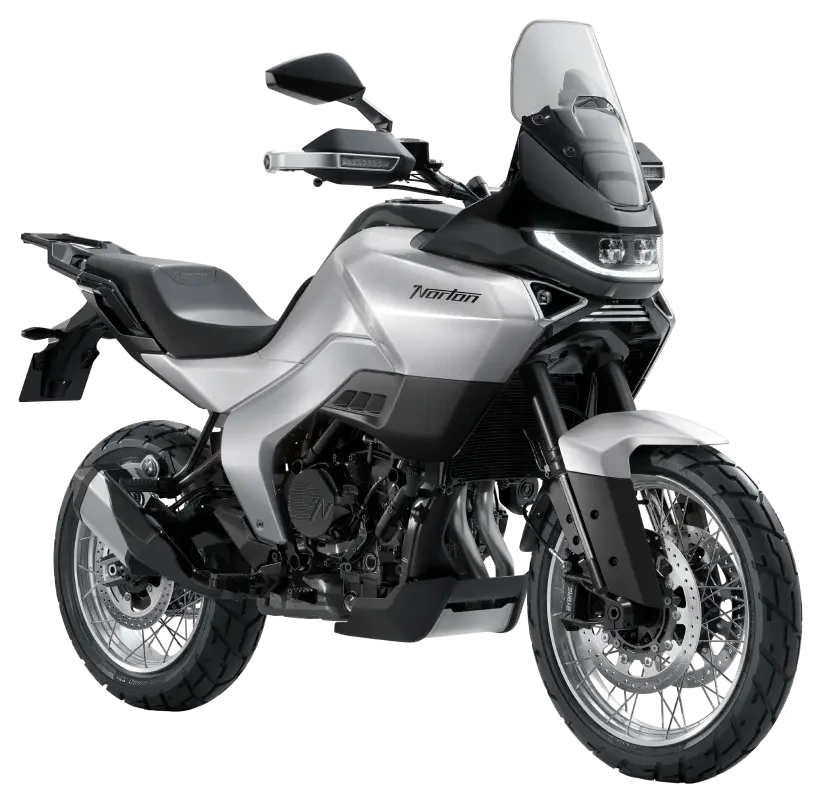
Norton Atlas: Adventure with Attitude
Next up, the Norton Atlas. It’s a middleweight adventure bike designed for riders who split their time between tarmac and trail. Powered by an all-new Parallel Twin engine (likely around 700cc), the Atlas means business with wire-spoke wheels, semi-knobby tires, and a tough, ready-for-anything stance.
Radially mounted ByBre four-piston calipers grab twin 300mm discs, and a tall windscreen offers proper wind protection. It’s everything you need for a weekend blast into the hills — without giving up everyday comfort.
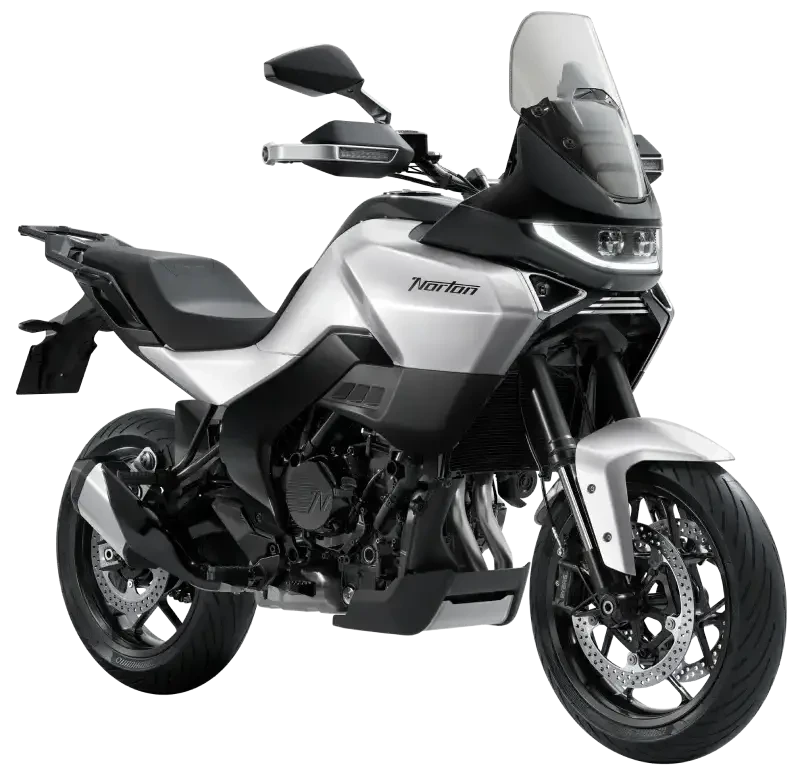
Norton Atlas GT: Touring, the British Way
If your idea of adventure involves long distances and smooth roads, the Atlas GT is your ticket. Think of it as the road-focused sibling to the Atlas.
It runs on 17-inch cast wheels, wears street tires, and features a comfy setup with wide bars, low pegs, and a plush seat. There’s already space for luggage, making it perfect for touring across the UK or the Alps — or just chasing the horizon on a Sunday.
A New Factory, A New Future
Norton’s Solihull facility is more than a building — it’s a symbol of rebirth. The brand has grown its workforce by 25% as it gears up for production, and the message is clear: this time, it’s for real.
While TVS sells over 4.7 million vehicles a year globally, Norton’s focus stays sharp on its home turf — the UK, Europe, and North America. Expansion into Asia and India will come later, once the brand has rebuilt its reputation for quality, reliability, and service.
Design: Simplicity, Precision, and British Class
The new design language comes courtesy of Gerry McGovern (the man behind Jaguar Land Rover’s modern look) and Norton’s design chief Simon Skinner. Together, they’ve given Norton a clean, muscular aesthetic — blending engineering precision with timeless simplicity.
Instead of clutter and gimmicks, it’s all about stance, proportion, and purity. And crucially, design and engineering now work hand-in-hand — a first for Norton in decades.
Modern Tech, Old-School Soul
Norton’s always been about innovation — from the featherbed frame of the ’50s to the rotary racers of the ’80s. But this time, the innovation is focused on real-world performance.
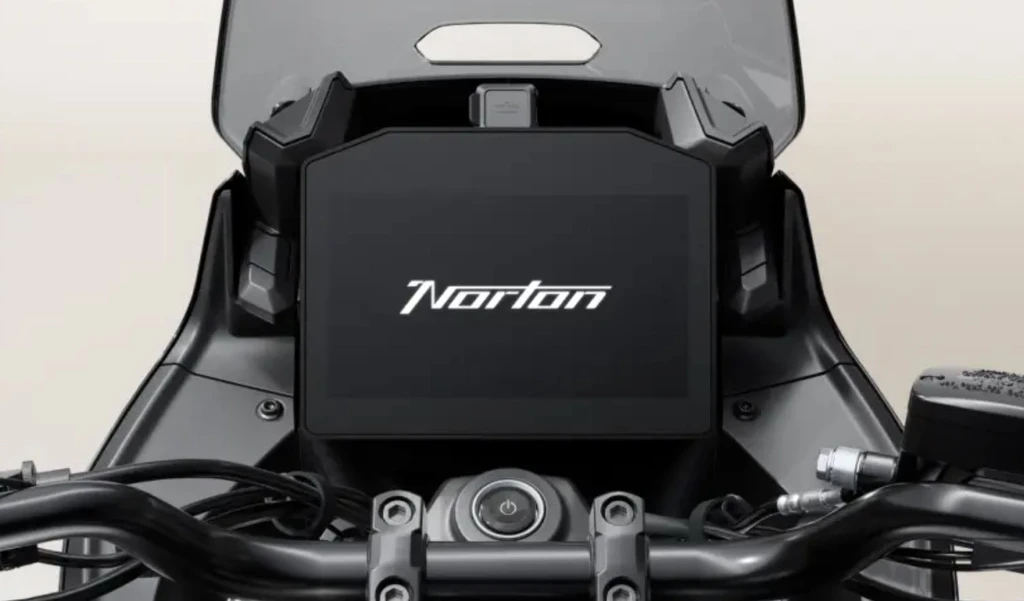
All new models feature advanced rider aids, adaptive electronics, and a slick 8-inch TFT display with full connectivity. Yet the heart of each bike remains analog — engaging, emotional, and unmistakably Norton.
Their design philosophy sums it up perfectly: Design. Dynamics. Detail.
The Road Ahead
Let’s be honest — Norton’s had more comebacks than most rock bands. But this one feels different. With serious financial backing, a modern factory, and a clear strategy, the brand finally looks ready to play with the big boys again.
The real test comes when the Manx R and Manx hit the road. If they deliver what they promise, we might just be witnessing the rebirth of one of Britain’s most legendary motorcycle names.
So yeah — the next generation of Norton starts here. And this time, it’s not just about heritage. It’s about horsepower, handling, and heart.
Subscribe to our Newsletter
Get the latest news and specifications delivered straight to your inbox — Subscribe now.